What is ATP? ATP, short for adenosine triphosphate, is the molecule your cells use as their energy currency. Every time a muscle contracts, a nerve fires or a cell builds something new, it pays for that work in ATP. You can’t see it or feel it, yet nothing in your body runs without it.
Understanding what ATP is, and why your body has to keep making more of it, is the foundation of almost everything in sports nutrition and cellular energy. This guide explains it in plain language.
What is ATP?
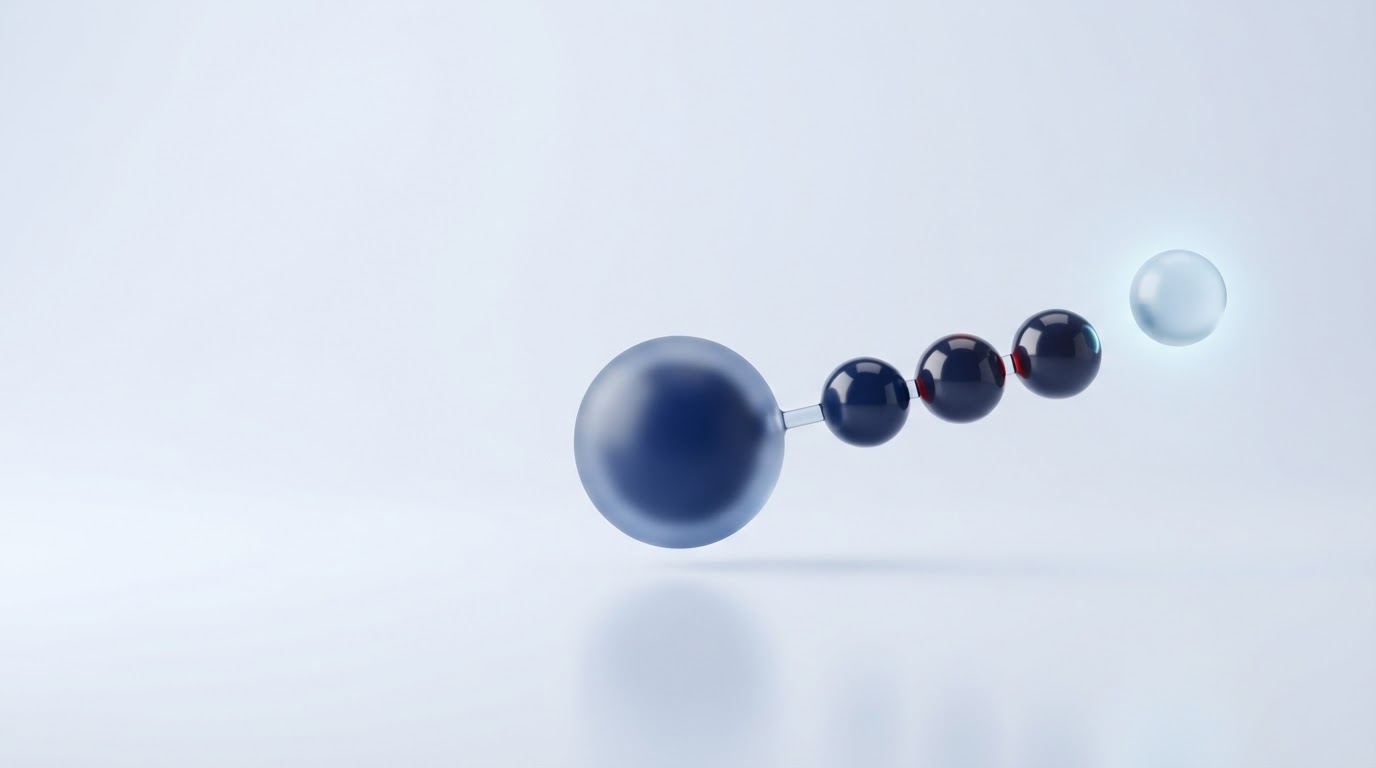
ATP is a small molecule with three parts: adenosine, which is a base joined to a sugar, and a chain of three phosphate groups. The name says it all: adenosine, plus “tri” (three), plus phosphate.
That chain of phosphates is the important part, because the energy is stored in the bonds that hold it together. Every cell in your body, from muscle fibres to neurons, uses the same currency.
How does ATP give your cells energy?
When a cell needs energy, it breaks off the last phosphate from ATP. This turns ATP into ADP (adenosine diphosphate) plus a free phosphate, and the energy released is put straight to work, powering things like:
- Muscle contraction
- Nerve signalling
- Moving substances in and out of cells
- Building and repairing molecules
Think of it as spending a coin. Once spent, the cell is left with ADP and a loose phosphate, which have to be put back together before they can be spent again.
Why can’t your body just store more ATP?
This is the catch: your cells hold very little ATP at any moment. At full effort, the ATP stored in your muscles lasts only a few seconds.
So instead of stockpiling it, your body recycles it constantly. Roughly your own body weight in ATP is made and used every single day, with the same molecules rebuilt over and over. Spend, recharge, repeat.
How is ATP made? Three ways your cells recharge it
Cells regenerate ATP by attaching a phosphate back onto ADP. Three systems share this job, and which one leads depends on how hard and how long you’re working:
- The phosphagen system: uses phosphocreatine as a phosphate donor to rebuild ATP during short, high-intensity efforts such as a heavy lift or a sprint. It’s the first to step in when demand spikes. You’ll find the full mechanism in our guide to the phosphocreatine system.
- The glycolytic system: breaks down glucose without needing oxygen, supporting hard efforts that last a little longer.
- The oxidative system: uses oxygen inside the mitochondria to produce ATP from carbohydrates and fats, supporting steadier, longer efforts.
These systems overlap all the time. No single one works alone.
ATP in everyday life and in training
ATP isn’t only an athlete’s concern. Climbing the stairs, carrying shopping and concentrating on a long task are all paid for in ATP. In training, the demand is easier to see: sets, sprints and jumps are bursts of effort, and each burst spends ATP that has to be rebuilt.
Creatine is a natural part of this system. Its authorised claim is that creatine is proven to increase physical performance in successive bursts of short-term, high-intensity exercise, at a daily intake of 3g.
Where Clonapure fits
Clonapure is designed around ATP regeneration. It combines creatine monohydrate, phosphocreatine and calcium phosphate in a formulation built around the phosphagen system, at 3g a day and with no loading phase. If you want to compare formulations, read our guide to creatine monohydrate vs phosphocreatine, or explore the science on our Muscle Energy page.
ATP: frequently asked questions
What does ATP stand for?
Adenosine triphosphate.
What is ATP used for?
Cells use ATP to power muscle contraction, nerve signals, the transport of substances across cell membranes and the building and repair of molecules.
How is ATP made?
Cells rebuild ATP by adding a phosphate back onto ADP, using three systems that overlap: phosphagen, glycolytic and oxidative.
How long does ATP last in your muscles?
At full effort, the ATP stored in muscle lasts only a few seconds, which is why cells have to regenerate it constantly.
Every move you make is paid for in ATP. The better you understand the currency, the easier it is to understand everything built on top of it.