Most people judge a sprint by how fast it is. Athletes and coaches who work with repeated sprint ability look at something else: what happens in the seconds between sprints.
Repeated sprint ability (often shortened to RSA) is the capacity to perform several short, maximal efforts in a row with only brief pauses in between. It matters in football, basketball, hockey, rugby, volleyball, racket sports, and sprint canoeing, and in any session built on intervals. In all of them, the quality of the next effort depends on what the muscle did during the last pause.
What is repeated sprint ability?
Repeated sprint ability describes how well an athlete can repeat high-intensity efforts, usually lasting a few seconds each, when the rest between them is short, typically somewhere between 10 and 60 seconds. It is not a single quality. It combines power, energy supply, and the muscle’s ability to restore itself between efforts.
That last part is the one that often goes unnoticed.
What happens in your muscles during a sprint
When you sprint, jump or lift explosively, muscle cells need energy right away. The molecule that powers muscle contraction is ATP, and muscle holds only a small amount of it at any time.
To keep going, the muscle relies first on the phosphagen system, also known as the ATP–phosphocreatine system. Phosphocreatine is stored in muscle cells and gives up its phosphate to rebuild ATP as it is used. This system works at the start of any intense effort and carries most of the load during the first seconds of a sprint.
During a short, all-out effort, muscle phosphocreatine stores can fall substantially. If you want a deeper explanation of the energy molecule behind all of this, our article on what ATP is covers it.
The pause: how the phosphagen system refills
Here is where the pause matters. Between efforts, muscle cells rebuild their phosphocreatine stores. This process depends on oxygen and aerobic metabolism: in broad terms, roughly half of the used phosphocreatine is restored in around 30 seconds, while close to full restoration takes a few minutes.
That timeline explains why repeated sprints feel different from a single one. With short pauses, the muscle starts each new effort with a partly refilled reserve. The shorter the pause, the less complete the refill.
What shapes repeated sprint ability?
Several factors interact:
- Phosphocreatine restoration. The speed at which this energy reserve is rebuilt between efforts.
- Aerobic fitness. A well-developed aerobic system supports phosphocreatine resynthesis during the pause.
- Energy from glycolysis. As efforts repeat, the body draws more on this pathway, and by-products build up in the muscle.
- Muscle characteristics and training history. Power, fibre composition, and how the athlete has trained all play a part.
- The structure of the session itself. Length of the effort and length of the pause change what the muscle has to cope with.
No single factor explains it. That is why coaches design intervals, rest times and conditioning blocks around it.
Sports where repeated sprint ability matters
Anywhere effort comes in bursts, RSA is part of the game:
- Football, rugby and hockey, with sprints, changes of direction and short pauses.
- Basketball and volleyball, with jumps, blocks and quick transitions.
- Tennis, padel and squash, with intense rallies followed by seconds of rest.
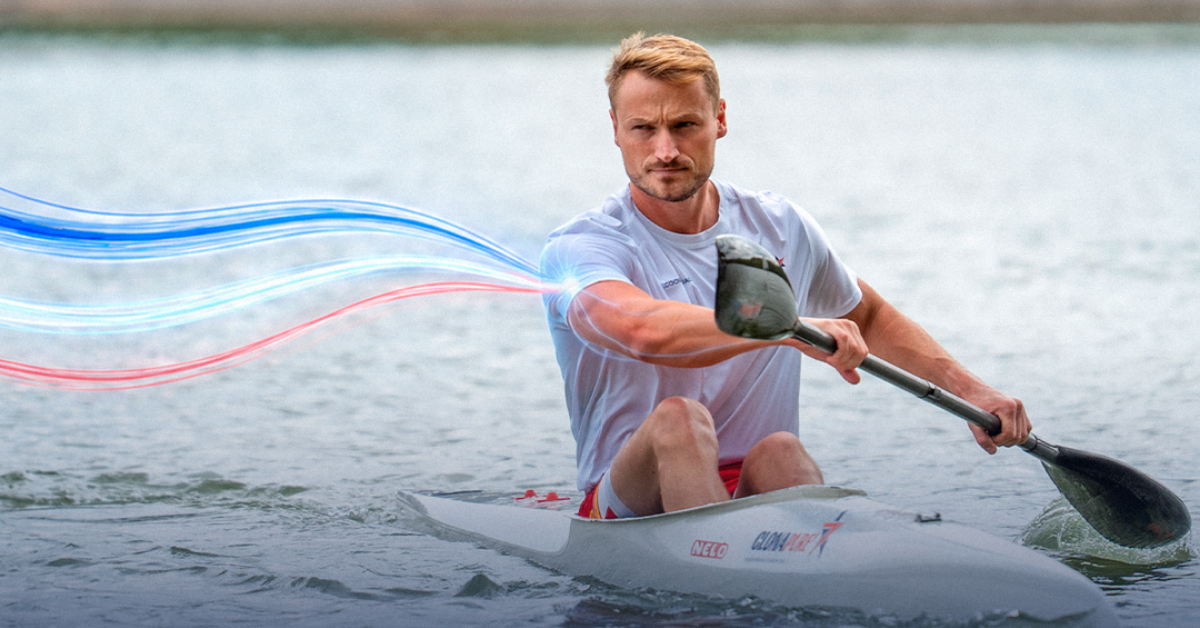
- Sprint canoeing and rowing intervals, with high-intensity pieces followed by short pauses.
- Interval-based training formats such as HIIT or functional fitness.
Creatine and successive bursts of effort
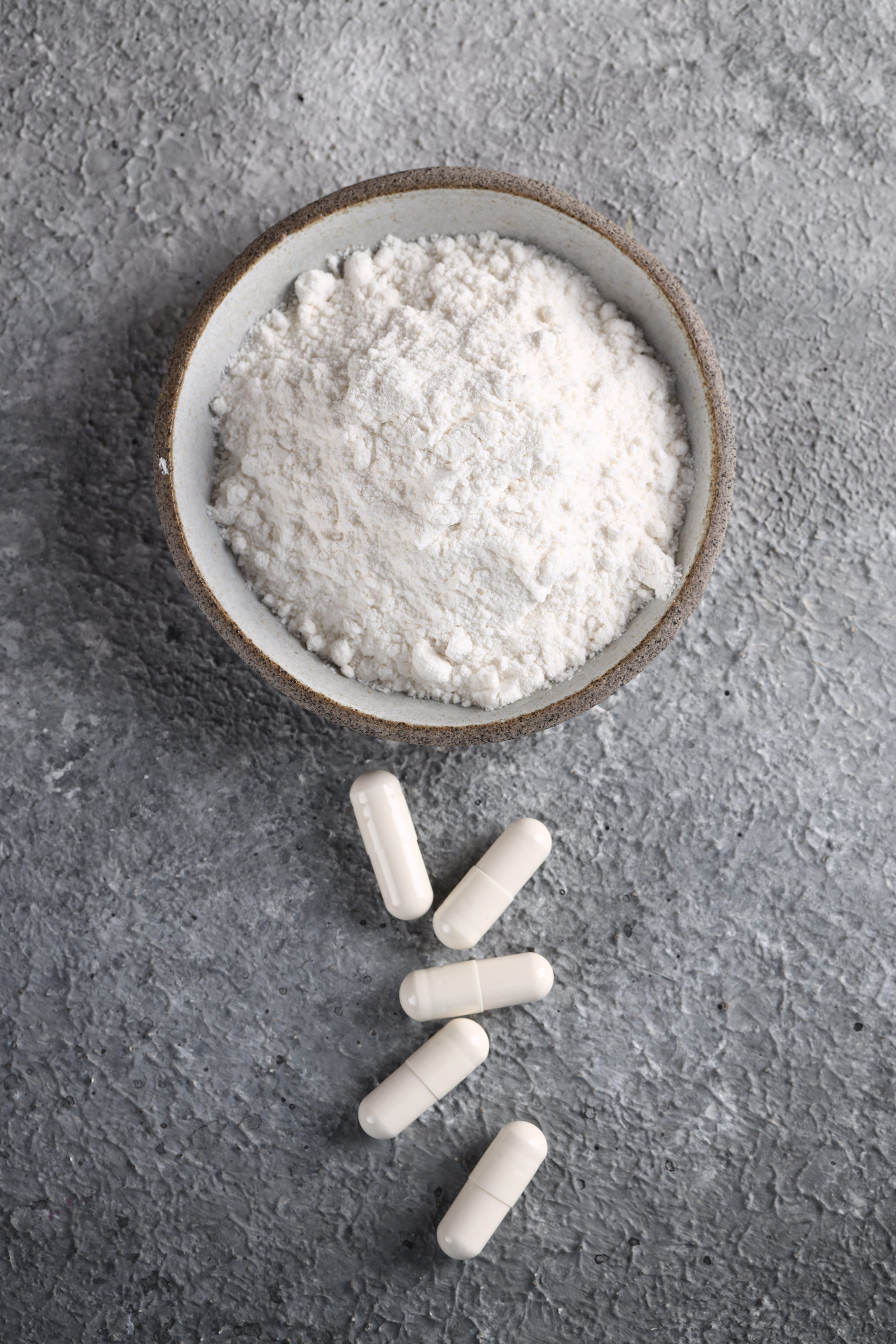
Creatine is a natural compound that muscle cells use to build and store phosphocreatine, which is why it is closely linked to the phosphagen system. Our body makes some of it, and we obtain more from food, mainly meat and fish.
The European Food Safety Authority has assessed creatine in the context of exactly this kind of exercise. The authorised claim states that creatine is proven to increase physical performance in successive bursts of short-term, high-intensity exercise, at a daily intake of 3 g. It applies to adults doing high-intensity exercise.
Clonapure was formulated around this same energy system: a trimolecular complex that brings together creatine monohydrate, phosphocreatine and calcium phosphate. Our research programme looks at how this approach behaves in the lab and with athletes.